
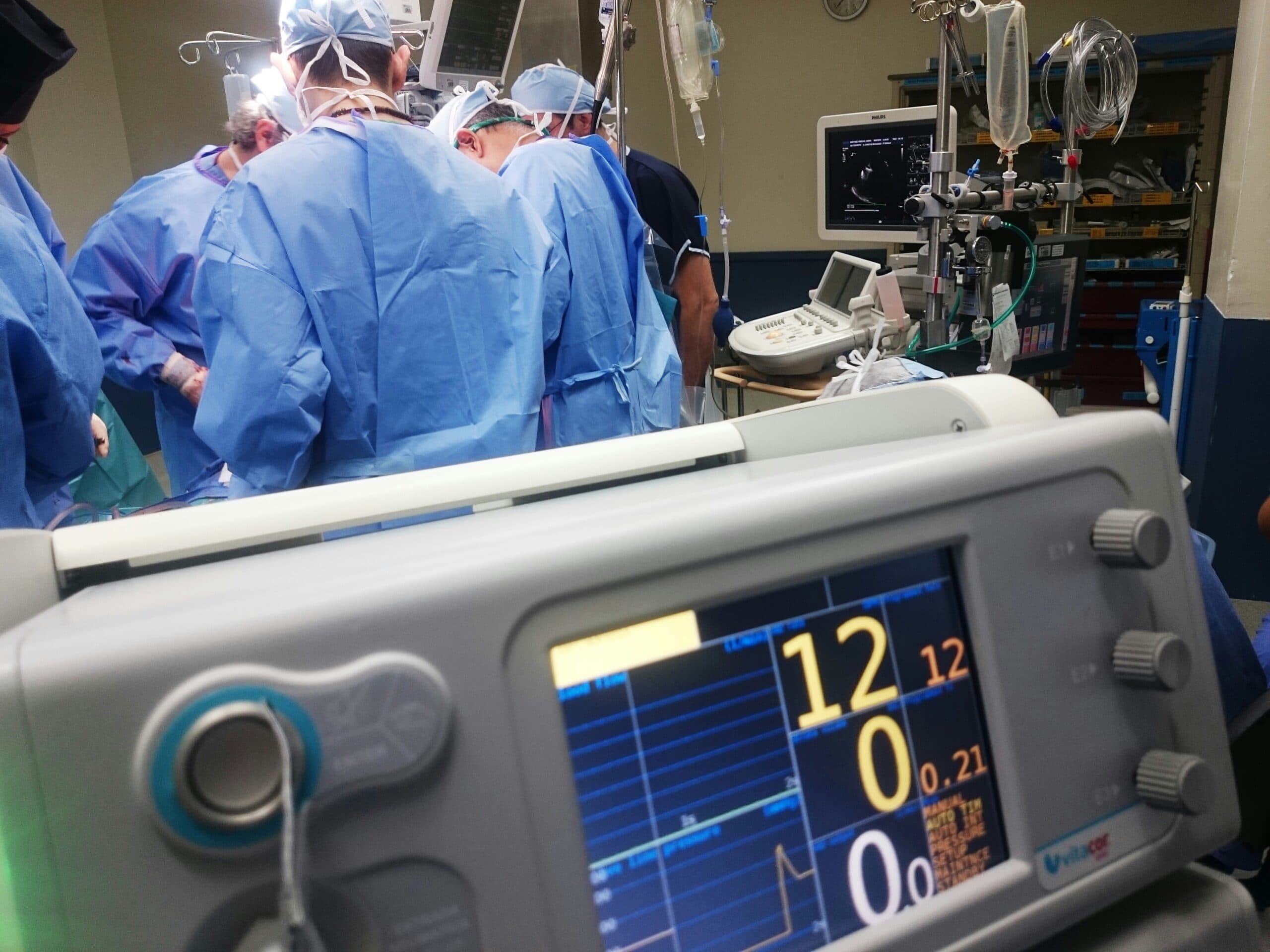
Small Habits That Add Years to Your Equipment
Lab equipment represents a real capital investment, and how it’s maintained day to day has more impact on its usable lifespan than most facilities realize. A consistent, simple maintenance routine can delay costly repairs and replacements far more effectively than reacting to problems after they appear.
Five Practices Worth Building Into Your Routine
1. Keep a Maintenance Log
Track cleanings, calibrations, and any repairs for each piece of equipment. A written history makes it easier to spot patterns — like a component that keeps failing — before they become bigger issues.
2. Follow the Manufacturer’s Cleaning Schedule
Dust, residue, and buildup are common causes of premature wear, especially in equipment with moving parts or optical components. Stick to the cleaning intervals recommended for your specific equipment rather than a generic schedule.
3. Calibrate on Schedule, Not Just When Something Seems Off
Waiting for visibly inaccurate readings before calibrating means the equipment has likely been drifting out of spec for a while already. Regular calibration, even when everything seems fine, catches drift early.
4. Train Staff on Proper Handling
A large share of preventable equipment damage comes from handling, not age. Make sure everyone using a piece of equipment understands its specific handling requirements, including power-up/power-down sequences and any environmental sensitivities.
5. Address Small Issues Immediately
A minor unusual noise, a slow startup, or an inconsistent reading is often a warning sign. Addressing it right away is almost always cheaper and less disruptive than waiting until it becomes a full failure.
When Maintenance Isn’t Enough
Even with excellent care, every piece of equipment eventually reaches the end of its practical service life. When that time comes, replacing it with a well-inspected refurbished or new unit is often the more cost-effective path compared to continuing to repair an aging device.
Get a Quote
If you’re weighing whether to repair or replace a piece of lab equipment, our team can help you think through the options. Request a quote and we’ll get back to you with pricing and availability for suitable replacements.